In This Article
- What is genetic counselling?
- What is a genetic counsellor?
- What do genetic counsellors do?
- What qualifications do you need to be a genetic counsellor?
- What are the entry requirements for postgraduate genetic counselling degrees?
- What can I expect to learn in a postgraduate genetic counselling course?
- How much does a postgraduate genetic counselling degree cost?
- How to prepare for studying a postgraduate genetic counselling degree
- Where do genetic counsellors work?
- What specialisations are available as a genetic counsellor?
- Genetic counsellor salary
- Is genetic counselling a good career?
- Your future in genetic counselling starts here

Why trust GlobalHealth Education?
-
Our in-house editorial team and healthcare advisors write and review our content.
-
The information in our content provides clarity and insights to help you compare courses.
-
We list postgraduate courses from 25+ respected and reputable institutions in Australia.

As our understanding of how genes influence health and disease continues to expand, so too does the demand for skilled professionals in the field of genetic counselling. Experts in this sector help bridge the gap between genomic data and personalised support, helping people and families receive the guidance they need as they navigate some of life’s difficult moments.
There are currently 1,600 employed genetic counsellors in Australia, with career opportunities existing across many specialties and diverse populations. If you’re drawn to working with scientific data but also have a passion for connecting with people, genetic counselling could be an ideal choice for you. This guide covers what genetic counselling entails and how a postgraduate course in genetic counselling establishes you as a qualified professional in this growing field. We also explore what you can expect from studying a master’s degree in genetic counselling and how to prepare for taking on postgraduate study.
What is genetic counselling?
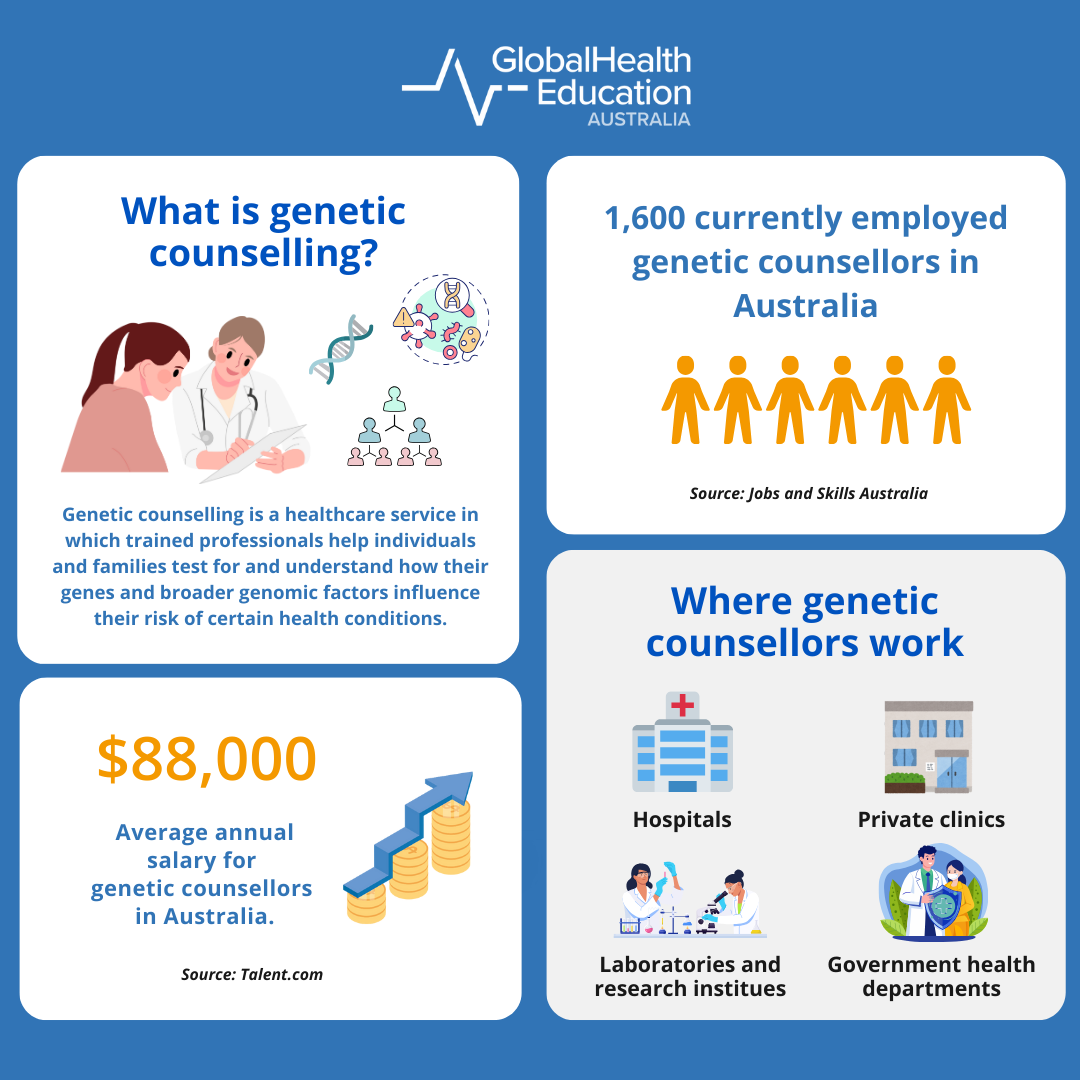
Genetic counselling is a type of counselling offered by trained health professionals who can help individuals and families understand their genetic history and how it can contribute to certain health conditions. It involves a deep comprehension of human genetics, including how individual genes function, their inheritance patterns and their potential to cause disease. Genetic counselling also encompasses genomics, which is the science of the entire DNA genome and how it interacts with the environment, potentially leading to disease onset.
As a healthcare service, genetic counselling aims to educate people about their disease risk due to their genomic profile. There are related psychological, reproductive and medical implications associated with receiving this information and genetic counselling equips people with tools and resources to respond and make decisions accordingly. The combination of genetic testing, risk assessment, data interpretation, patient education and psychosocial support forms the core elements of this profession.
What is a genetic counsellor?
A genetic counsellor is a healthcare professional with specialised qualifications in genetics and counselling, which allows them to interpret and translate complex genetic data into understandable information for patients. Genetic counsellors provide an important service to people, helping them understand their options regarding reproduction or disease risk.
For example, a patient may see a genetic counsellor if they have a family history of cancer and want to be informed about their own risk of developing it over their lifetime. A genetic counsellor can conduct a thorough assessment, perform genetic testing, explain the results and provide support as necessary if a diagnosis is probable in the future for that individual.
Patients can typically access a genetic counsellor via referral from their general practitioner. They often work collaboratively with other medical specialists, such as clinical geneticists, oncologists, cardiologists, neurologists and obstetricians, depending on the specific workplace setting.
What do genetic counsellors do?
Depending on the specific role and workplace setting, the typical responsibilities of genetic counsellors include:
- Meeting with patients to discuss their genetic concerns and assess whether genetic testing is appropriate or necessary
- Providing clear information about relevant conditions, including key clinical features, family inheritance patterns, risk profiles and how genes and the environment interact
- Facilitating genetic testing when indicated, helping patients understand the purpose, benefits, limitations and potential outcomes of testing
- Interpreting test results and understanding the associated medical, psychological and reproductive implications for patients and their family members
- Providing counselling to support informed decision-making in line with each person’s values, circumstances, health goals and level of genetic condition risk
- Assisting patients in adjusting to a diagnosis or to the possibility of a genetic condition in the family, providing resources or referrals to other healthcare professionals as needed
- Coordinating patient care, which may include collaborating with medical specialists, geneticists or arranging hospital admissions when required
- Ensuring privacy and confidentiality are maintained throughout the consultation, testing and education process
What qualifications do you need to be a genetic counsellor?
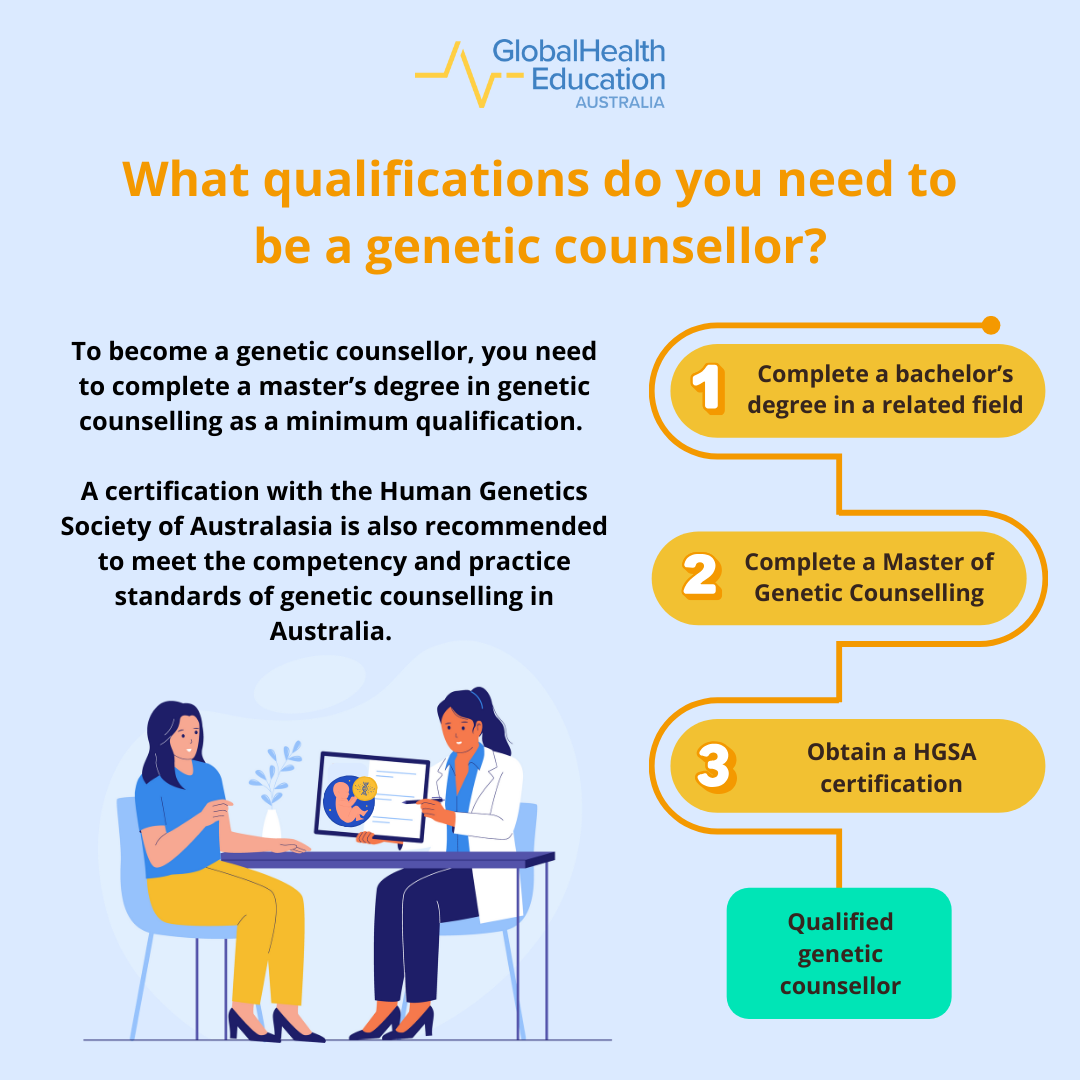
The pathway to becoming a genetic counsellor involves the completion of a master’s degree in genetic counselling and optional certification with the Human Genetics Society of Australasia (HGSA). Postgraduate genetic counselling courses are specialised degrees designed to meet the competency standards required to practice genetic counselling in Australia. The courses mentioned below provide a foundation for this certification process.
The genetic counselling industry is currently self-regulated, which means the title ‘genetic counsellor’ is not legally protected and anyone can call themselves a genetic counsellor regardless of their qualifications. For this reason, while not technically mandatory, it is helpful for genetic counsellors to seek accreditation with the HGSA. Doing this helps strengthen your professional recognition and supports a consistent, standardised qualification across the field. Furthermore, obtaining an additional certification with the HGSA is also the current accepted industry standard to practice in Australia.
It’s not possible to become qualified as a genetic counsellor with a generalised counselling degree alone. While previous counselling experience can be beneficial to your role, you still need to complete a postgraduate genetic counselling degree to work as a genetic counsellor.
What are the entry requirements for postgraduate genetic counselling degrees?
The entry requirements for postgraduate genetic counselling degrees generally include an undergraduate degree, or equivalent, in a related field such as counselling, social work, psychology, public health, health science, nursing, biomedicine or chemistry.
While pathways into genetic counselling are available to you if your bachelor’s degree is not in a related field, having a health or science background can set a valuable foundation for you in this industry.
For example, psychology and counselling provide important knowledge of mental health and human behaviour, which helps you provide person-centred care as a genetic counsellor. Allied health, health science and nursing all offer exposure to various healthcare environments and patient types. Public health, biology and chemistry degrees equip you with valuable skills in physiology, scientific analysis and knowledge of disease patterns.
Additional entry requirements apply to postgraduate genetic counselling degrees beyond the academic prerequisites. This may include demonstrating at least six months of relevant professional or volunteer experience in a caring role. In addition, professional references, a personal statement and attending an enrolment interview. Each university has its own specific entry requirements, so it’s essential to check the course information carefully to make sure you are eligible.
What can I expect to learn in a postgraduate genetic counselling course?
Postgraduate genetic counselling courses are designed to equip you with scientific knowledge, advanced expertise and practical skills in genomics and counselling, so that you can pursue clinical, research or leadership roles in genetic health.
For example, the University of Melbourne offers a Master of Genetic Counselling, which is a two-year, full-time postgraduate course that delivers comprehensive training in genomics and counselling skills. This program provides a mix of coursework in genetics, genomics, counselling and research, plus clinical placements, equipping students to support individuals and families navigating genetic health issues.
The University of Technology Sydney’s (UTS) Master of Genetic Counselling is also a two-year, graduate-entry coursework master’s degree that equips graduates with competencies in evidence-based genetic counselling for positions in clinical, laboratory, research, policy, biotechnology or education settings. This master’s degree also includes supervised clinical placements, which lead to a qualification that meets the standards for professional practice as a genetic counsellor. UTS also offers a Master of Genetic Counselling (Research), which is ideal for professionals interested in pursuing original research in genetics and genomics to help shape health policies or contribute novel ideas in this field.
Here is an overview of what the curriculum in these courses generally includes:
Genetics and genomics foundations
You will delve into human genetics and genomics with subjects such as clinical genomics, human genetics in healthcare and the biological mechanisms of disease. You will learn to interpret complex genetic test results and understand the inheritance patterns of various conditions. This will help you understand disease risk, mitigation and management strategies and the downstream implications of a genetic condition diagnosis.
Counselling skills and building an ethical practice
There are various counselling and communication subjects in these master’s degrees that deliver critical skills for future genetic counsellors. You’ll learn the essentials of communication and counselling theory and learn how to build rapport, manage complex patient situations and communicate compassionately and effectively. You’ll also gain valuable skills to help you establish an ethical, culturally-sensitive and socially-aware practice through a robust understanding of the ethical and legal frameworks relevant to genetic privacy and testing.
Advanced research skills
Developing an evidence-based practice is central to roles in healthcare, ensuring you’re up to date with current scientific research and best-practice approaches within your field. These courses deliver advanced skills in research methodology, critical appraisal and data interpretation. The competencies gained help you understand and apply emerging research in your role to support optimal patient outcomes and advance the genomics profession.
Practical placements in genetic health settings
Accredited master's programs include valuable clinical placement units to help you consolidate your theoretical knowledge and put your skills into practice in real-world genetic health settings. Placements allow you to work under the supervision of experienced genetic counsellors in hospitals, clinics and other healthcare settings, which helps you build your confidence as you strengthen your expertise for a successful career in genetic counselling.
How much does a postgraduate genetic counselling degree cost?
Postgraduate counselling degrees can vary in tuition costs between universities.
The University of Melbourne’s Master of Genetic Counselling program has an indicative first-year fee of $30,976 and an indicative total course fee of $65,050.
The University of Technology Sydney’s Master of Genetic Counselling has an indicative first-year fee of $42,430 and an indicative total course fee of $86,769.
Students enrolled in the UTS Master of Genetic Counselling (Research) may be eligible for a scholarship. As a recipient of the Australian Government’s Research Training Program (RTP) Fees Offset Scholarship, you do not have to pay tuition fees for up to the maximum period of candidature. It’s important to remember that there may be ongoing study-related costs besides tuition fees, such as travel costs, materials and placement-related costs.
These tuition fees apply to domestic students enrolled in the above courses at a full-time study load. You can choose to pay your course fees upfront, or if eligible, you can defer the payment using a FEE-HELP loan. Check with your university provider to see if you’re eligible for a FEE-HELP loan, scholarship or other financial support to help alleviate the costs associated with taking on postgraduate study.
How to prepare for studying a postgraduate genetic counselling degree
Gaining entry into a Master of Genetic Counselling program can be competitive. Universities look for candidates who demonstrate academic ability, relevant experience and a genuine understanding of the profession.
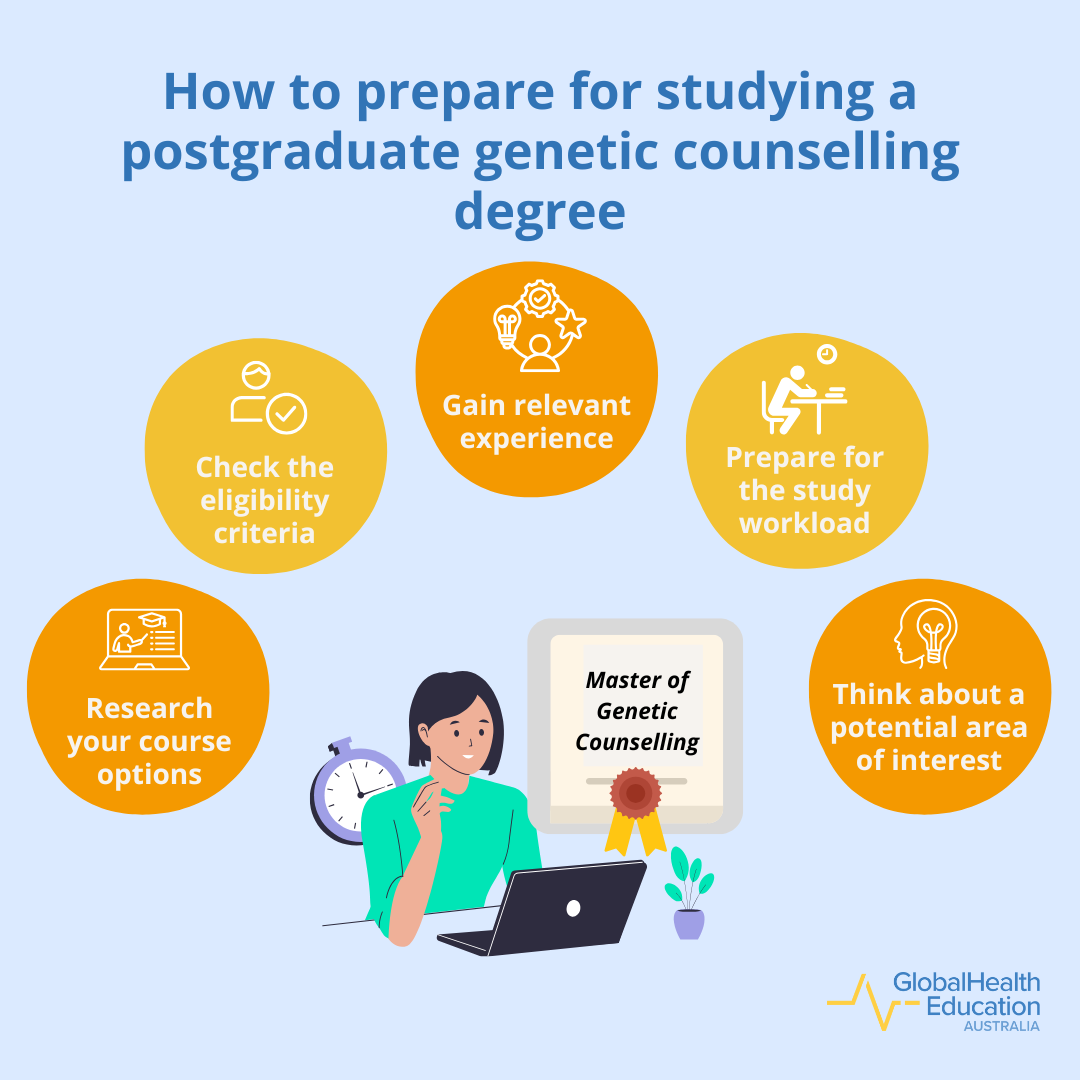
Here are five things to consider to help you prepare for your studies:
-
Research your course options
It’s important to do your own research to understand the options and study pathways into genetic counselling. While each postgraduate program will provide you with the necessary qualifications to enter this field, each course differs in tuition costs, course content, study mode and placement opportunities. Take the time to consider whether the course offers face-to-face learning, online or a blend of both for flexible delivery. Comparing different courses can help you make an informed decision that aligns with your lifestyle and career goals. -
Check the eligibility criteria
Master’s degrees in genetic counselling require you to have completed specific undergraduate subjects, particularly in human genetics, genomics or biology. If you completed your degree more than 10 years ago or if you come from a non-science/health background, you may need to complete bridging courses or individual subjects to meet the prerequisite requirements for postgraduate study. It helps to ensure you check and meet these requirements well ahead of your semester start date and submission deadline. You may also benefit from seeking additional help from your chosen course provider, who can support your pathway into genetic counselling. -
Gain relevant experience
If your background doesn't include work experience or a qualification in a person-centred role, volunteering can help build valuable people skills. Universities look for evidence of interpersonal skills, resilience and your suitability for a career in genetic counselling. Volunteer experience in caring or support roles, such as crisis counselling, disability support or non-profit organisations, can demonstrate your ability to communicate with individuals in distress and work empathetically with diverse populations. -
Prepare for the study workload
A master’s degree in genetic counselling can be an intellectually rigorous and challenging pursuit. You will learn about serious health conditions, grief, ethical dilemmas and the psychological impact of having a life-altering genetic condition on patients and families. Developing self-care strategies and emotional resilience before you begin is essential. Additionally, you’ll need to ensure you’re ready to commit to two years of full-time study, which may involve a minimum commitment of 20 study hours per week. Finally, you’ll need to consider the optional certification process of another two years through the HGSA to make sure you’re ready to begin your study journey. -
Think about a potential area of interest
Before you enrol in a genetic counselling course, it can be helpful to plan ahead and start thinking about niche areas that might interest you. This could be in clinical areas relevant to reproductive and prenatal care or in genomics and cancer research. Understanding your preferred niche early can help guide your volunteer or work choices, clinical placement options or research projects as you embark on your studies.
Where do genetic counsellors work?
There is a range of settings in which genetic counsellors can work, including:
Hospitals
Hospitals are one of the most common workplaces for genetic counsellors. Within public and private hospital settings, counsellors may work in specialised clinics such as oncology, cardiology, neurology, paediatrics and antenatal services. Their work typically involves assessing patients for genetic testing, explaining results, providing support and coordinating care with professionals in different teams. Hospital-based roles can offer exposure to complex cases and a broad range of patient populations and may involve shift or overnight work, depending on the role.
Private clinics
Genetic counsellors can also work in private clinical settings, including specialist genetics clinics, private ultrasound services, IVF and fertility clinics and private oncology centres. In these environments, genetic counsellors may assist individuals or couples seeking reproductive advice, help interpret prenatal screening results or support patients navigating hereditary disease risks. These roles can involve more focused subspecialty work that is more predictable across a standard working week.
Laboratories
Genetic testing laboratories often employ counsellors to liaise with geneticists, doctors or other medical professionals to help interpret data, support test development and act as a liaison between laboratory technicians and healthcare providers. In these roles, they can help ensure testing is appropriate, relevant and effective in meeting the needs of patients who undergo genomic testing. Genetic counsellors in labs contribute to the overall quality and safety of testing and may provide advice on areas for improvement.
Research institutions
A career in research and academia is also possible for genetic counsellors. This could be in universities or dedicated genetic research laboratories, where they participate in clinical trials, manage projects or investigate the ethical or social impacts of genetic and genomic technology. These roles often involve collaboration with research teams and some genetic counsellors in research roles may continue their studies beyond a master’s degree to obtain a PhD. Their work contributes to a growing evidence base that informs clinical practice and policy in the genetic medicine field.
Government health departments
Federal and state government health departments can also employ genetic counsellors. Their expertise can help shape public health initiatives, explore new testing technologies, promote the development of screening programs and guide genomic medicine policies within an ethical and responsible framework. These positions allow counsellors to influence Australia’s healthcare system and the future direction of personalised medicine.
What specialisations are available as a genetic counsellor?
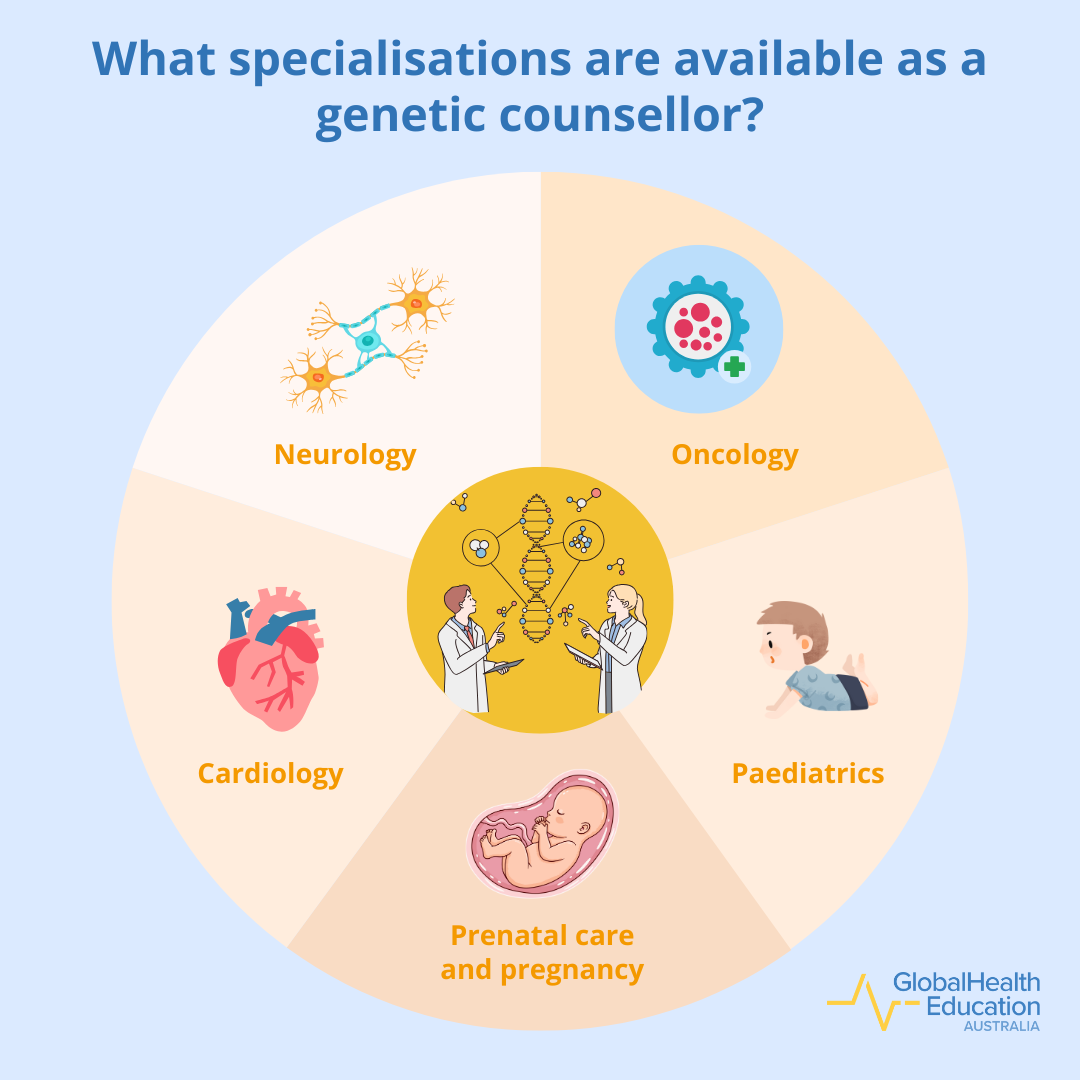
There are several areas you can specialise in when working in genetic counselling, including:
Cardiology
Genetic counsellors specialising in cardiology focus on inherited heart conditions, such as cardiomyopathies, arrhythmias and congenital heart defects. They assess family history, interpret genetic test results and help patients understand their risks, management options and implications for family members. These counsellors often work collaboratively with cardiologists to guide both medical care and lifestyle advice to modify disease progression or severity.
Neurology
Professionals who work in a neurology specialisation support patients impacted by a range of neurogenetic conditions, including Huntington’s disease, early-onset dementia or muscular dystrophies. Genetic counsellors in these roles provide risk assessment, give guidance on testing options, education about inheritance patterns and support for coping with progressive and degenerative conditions as part of a long-term care approach. They may work alongside neurologists and other specialist medical teams.
Oncology
Oncology genetic counsellors assess the risk of hereditary cancers, such as breast, ovarian, bowel and other cancer types and help individuals understand their screening and prevention options. They discuss genetic test results and give practical advice on risk-reducing interventions, such as surgery or making dietary and lifestyle changes. These counsellors can work with oncologists, surgeons and general practitioners to support patients and families in making informed health decisions throughout their lives.
Paediatrics
Paediatric genetic counsellors work with families of children who have congenital diseases, dysmorphic features or suspected rare genetic syndromes. They guide parents through the diagnostic process, explain test results and provide emotional support and resources for long-term management. Roles in paediatric genetic counselling may involve multidisciplinary team approaches across different fields to provide comprehensive care to families navigating these diagnoses for their children.
Prenatal care
Prenatal genetic counsellors support couples who are pregnant or planning a pregnancy, helping them understand their reproductive risks and options. This may include conducting early screening tests and diagnostic procedures throughout pregnancy, such as non-invasive prenatal tests and amniocentesis. These tests screen for chromosomal conditions like Down syndrome or neural tube defects. Counsellors in this specialisation provide information and guidance to empower prospective parents to make informed decisions about their pregnancies.
Genetic counsellor salary
According to data from Talent.com, the average annual salary for genetic counsellors in Australia is $88,000.
Early-career genetic counsellors may earn around $80,000 per year and senior or experienced professionals can earn up to $102,000 annually.
Like many other healthcare professions, salaries for genetic counsellors can vary based on experience, location, specialisation and workplace setting.
Is genetic counselling a good career?
Overall, genetic counselling is a worthwhile career to pursue for many people. There are a range of factors that make this career path rewarding and some factors that may make it challenging as well.
Rewarding aspects of genetic counselling
Roles in government departments, private practices, laboratories and some research institutes may involve typical working hours and good work-life balance. Roles in hospitals and private clinics may be more patient-facing and offer rewarding opportunities to work with people, support their health needs and make a positive difference in their lives. In most roles, working in interdisciplinary or multidisciplinary teams is common, which provides opportunities to learn from other professionals and build your network.
There is a strong demand for genetic counsellors in many sectors. For example, the field of personalised nutrition and nutrigenomics has been a recent healthcare trend over the past several years. This healthcare field utilises DNA genome data profiling to help individuals assess their susceptibility to disease and tailor their diet and lifestyle to minimise the risk of developing them. As technology advances and patients seek health advice that is personalised to their unique circumstances, genetic counsellors could step into more preventative healthcare roles alongside the established specialisations that exist in the genetic health sector.
You’ll be part of an evolving industry that contributes to innovative healthcare practices, where you can build connections with patients and help them during crucial life stages. There will be ongoing learning opportunities to keep your role fresh, relevant and impactful. With experience and as you develop sought-after skills, you can pursue senior or leadership roles that attract a higher salary.
Challenging aspects of genetic counselling
Entry into master’s programs can be competitive, and as a prospective student, you’ll need to demonstrate your academic capacity and humanistic or soft skills that make you well-suited to this field. The genetic counselling sector requires a strong scientific and data analysis skill set, with a thorough understanding of pathophysiology and disease progression. You will also need to possess robust interpersonal skills to translate complex information into simple, actionable steps for the people you support.
The role can be emotionally taxing, as you may sometimes need to deliver difficult information to patients. If you work in preconception and pregnancy, you may be guiding parents through some results that reveal a rare developmental condition in their baby. You’ll need to help them understand the diagnosis, possible outcomes and available support as they consider next steps for the pregnancy. If you become a genetic counsellor working in oncology, you may meet with an adult patient whose genetic testing shows a significantly increased risk of developing breast cancer. In this situation, you’d walk the patient through what this risk means, discuss options for monitoring and preventative treatment options, including preemptive breast surgery.
The composure, support and clear advice you provide are essential to helping people when they need guidance. The examples above highlight some of the more challenging aspects of genetic counselling. You’ll need to be empathetic and supportive as you help people navigate uncertainty, worry and decisions that can affect themselves, their families and their future children.
Should you pursue a career as a genetic counsellor?
Genetic counselling can be a meaningful and rewarding career choice for those who enjoy the blend of scientific discovery and human connection. It may be suitable for you if you are empathetic, resilient, a good communicator and possess critical thinking skills with a passion for genetics and biology. It’s a dynamic, evolving field that is stimulating with many opportunities for advancement.
Your future in genetic counselling starts here
Genetic counselling is a unique path to pursue in healthcare. If you’re intrigued by the process of scientific discovery as well as supporting people as they navigate their genetic risk profile, then genetic counselling might be ideal for you.
If you’ve reached a point in your career where you’re looking for a change and want to make a tangible difference in people’s lives, a postgraduate qualification in genetic counselling could be your next step. These courses are flexible, accredited and available to enrol in today. Explore the course options to find one that suits your goals, study preferences and lifestyle.
GlobalHealth Education partners with reputable Australian universities to offer postgraduate healthcare courses in a range of fields. We also showcase courses from various respected universities. Explore the extensive range of postgraduate healthcare courses beyond counselling, including nursing, psychology, public health, health leadership and management, social work, mental health and more.
To explore your course options and get personalised career advice, book a complimentary professional development strategy call with Catriona, our Education Consultant, who is ready to help you make your next career move.