In This Article
- What is critical thinking in nursing?
- The critical thinking process for nurses: what’s involved?
- Why sharpening your critical thinking skills matters in nursing
- Critical thinking in practice: how it’s used in different settings
- Clinical reasoning vs critical thinking: what are the differences?
- What traits help nurses become stronger critical thinkers?
- Master your nursing practice through stronger critical thinking

Why trust GlobalHealth Education?
-
Our in-house editorial team and healthcare advisors write and review our content.
-
The information in our content provides clarity and insights to help you compare courses.
-
We list postgraduate courses from 25+ respected and reputable institutions in Australia.
In nursing, different technical, cognitive and interpersonal skills are required across many clinical contexts. Among the many skills needed, critical thinking may be one of the most important to build, as it plays a central role in your everyday decision-making.
Whether it’s in emergency departments or community healthcare, thinking critically means you can confidently gather information, evaluate it thoughtfully and anticipate potential risks or outcomes. Cultivating this nursing skill means you can make sound decisions that support safe patient care.
In this article, you’ll learn why critical thinking matters in nursing and how this skill impacts patients and teams in diverse healthcare environments. You’ll also discover postgraduate courses that specifically build your critical thinking capabilities for a robust practice across your nursing career.
What is critical thinking in nursing?
Broadly speaking, critical thinking is the structured process of identifying, applying, analysing and evaluating information to form a well-reasoned conclusion or judgement.
In a clinical nursing context, critical thinking involves identifying a problem, considering potential treatments, determining the best option to resolve the issue, implementing it and reflecting on the outcomes. Employing critical thinking skills means being an adaptable, curious and proactive problem-solver with a strong commitment to patient care.
It involves making a considered, evidence-informed decision by applying your clinical knowledge to the context of the patient in front of you. Critical thinking also means recognising that situations may evolve, meaning nurses need to continually reassess the patient, evaluate new information and adapt their approach as circumstances change.
The critical thinking process for nurses: what’s involved?
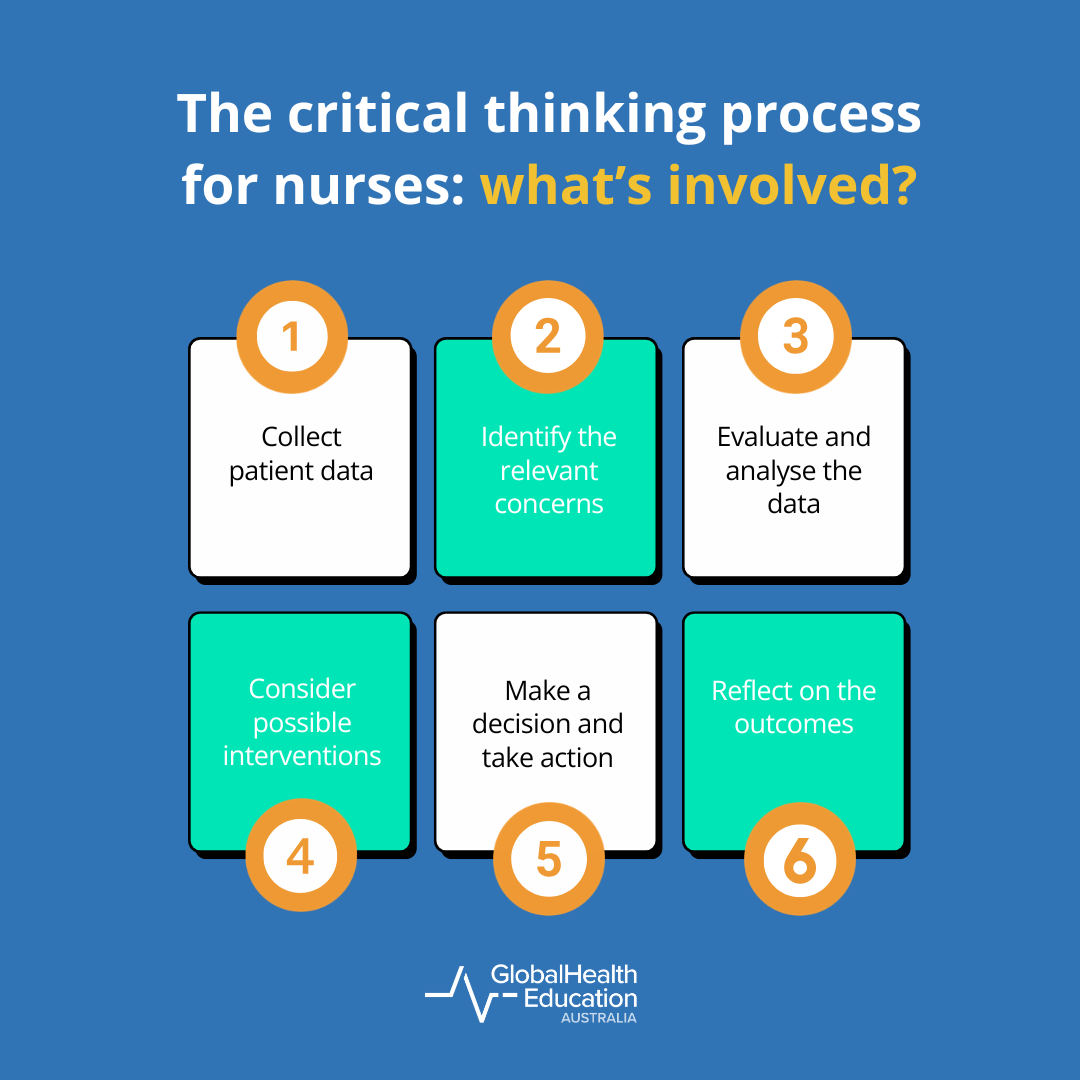
The process of critical thinking can be broken down into a few steps.
Keep in mind that this process is fluid and in a real-world healthcare setting, nurses can combine or revisit steps as needed before reaching a solution.
For instance, a nurse working in community care visits an elderly male patient living with type 2 diabetes and heart disease. During the visit, the patient reports feeling unusually tired over the past few days, has noticed increasing swelling in his legs and says he hasn’t been eating because he hasn't felt well.
After initially assessing the patient, the nurse observes that the patient's blood glucose level is higher than usual, their blood pressure is lower than normal and they're slightly short of breath when moving around the house.
Rather than viewing each symptom in isolation, the nurse thinks critically about the situation to consider how the patient’s comorbidities and home management may be contributing to their deteriorating presentation. It’s important to determine whether the symptoms are related to poor diabetes control, worsening heart failure, an infection, dehydration or another underlying issue before deciding on the most appropriate course of action.
Critical thinking helps you gather the right information, identify the most pressing concerns, evaluate the evidence and decide on the safest course of action.
Below is an overview of what the process looks like.
Step 1: Collect patient data
First, it’s important to gather all the facts, evidence and information about the patient and their presenting complaint/s. This typically involves taking observations, conducting a physical assessment, recording or reviewing their health history, as well as reviewing their diagnostic tests. At this stage, it’s also important to listen to the patient, their family and other healthcare professionals where relevant to collect any information pertaining to their case.
A thorough objective and subjective assessment of the situation provides a more comprehensive overview of the patient’s complaint, which can reveal clues on what interventions would be most appropriate later.
Step 2: Identify the relevant concerns
This step helps you distil the information gathered so you can clearly identify the issue or concern/s that need addressing. This means you’ll have a well-defined starting point for analysis, further inquiry if needed and a treatment plan.
You’ll use critical thinking to distinguish between relevant and irrelevant information and you can begin to prioritise the patient’s concerns based on their level of acuity or severity. Doing this effectively comes with experience and exposure to a variety of situations. In settings that are less high-acuity, such as in community health or primary care, after you’ve identified the primary health concern, you may be able to communicate with and establish a treatment goal with the patient.
Step 3: Evaluate and analyse the data
This step is a core component of the critical thinking process. It’s where you appraise the data you’ve collected for accuracy and credibility.
This may require you to carefully review your patient’s medical history, take their vital signs more than once or ensure the diagnostic equipment you’re using, such as a blood pressure monitor, is properly calibrated. It may also involve cross-referencing the information with a family member or other relevant health professionals to ensure the data you’re working with is reliable.
It’s important to identify any gaps or consider other possible explanations and perspectives. Then, you can examine the information, interpret it and begin to make sense of your findings to support a forthcoming conclusion.
Step 4: Consider possible interventions
You can now explore a potential course of action that matches your findings and analysis of all the available subjective, objective and clinical information. Here is where you’ll need to take into account different treatment options, including the benefits, risks and expected outcomes. You also need to consider the patient’s unique circumstances and preferences to arrive at a decision that is most likely able to support their holistic health, wellbeing, safety and recovery needs.
Step 5: Make a decision and take action
Now it’s time to decide on the most appropriate intervention based on the evidence, patient context and your clinical assessments. In simple terms, the goal is to choose an option that is the most logical, clinically relevant and aligned with a desired treatment outcome.
Using the totality of the information available, this is where you’ll make a clinical inference about the situation, devise a treatment plan and implement it. This may involve administering medications, preparing your patient for treatment, coordinating with other healthcare professionals, delivering patient education or escalating care if necessary.
Step 6: Reflect on the outcomes
An important part of the critical thinking process for nurses is self-reflection. Evaluating your decisions and considering whether anything could have been done differently supports continuous learning, professional growth and improved patient care.
You may ask questions such as, ‘did the treatment work?’, ‘was there anything I missed?’ or ‘what have I learned from this experience?’ Reflecting on your approach in real time also means you can adapt and try something else if the treatment outcomes weren’t as expected. This helps ensure patients receive safe, responsive and high-quality care.
Why sharpening your critical thinking skills matters in nursing
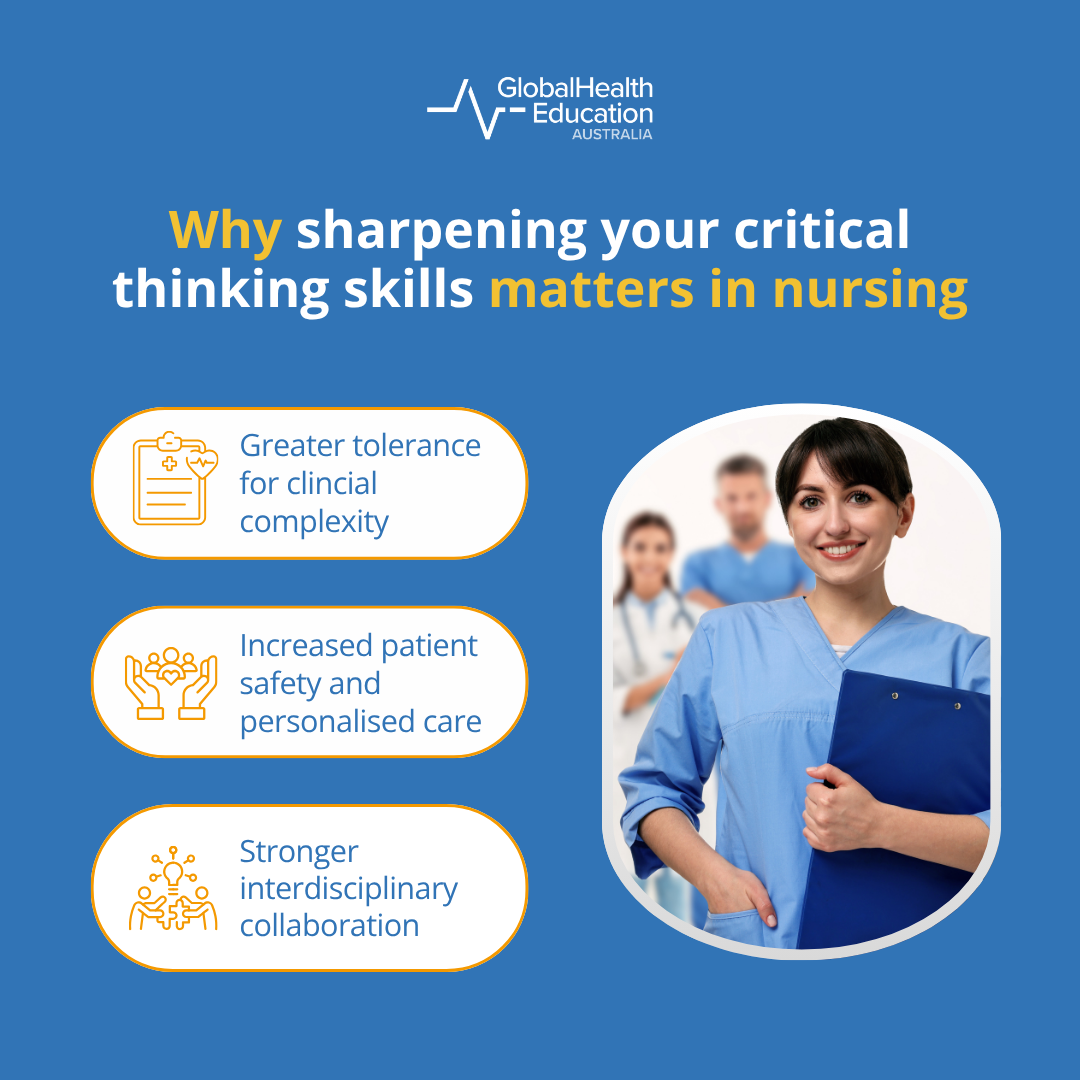
Developing strong critical thinking skills is important for a variety of reasons. In general, the benefits include:
Greater tolerance for clinical complexity
Patients often present with multiple health conditions, high-acuity needs and sometimes incomplete health history information. In nursing, this requires you to make decisions in situations where there may not be a single clear answer.
Critical thinking helps you become more comfortable with uncertainty and complexity. It also encourages you to assess situations from multiple perspectives, consider the evidence carefully and remain open to new information as it emerges. Over time, this process helps strengthen your clinical intuition and judgement.
As you utilise your critical thinking skills, you’ll learn to recognise patterns, anticipate potential complications and respond more effectively to your patients. You begin to understand that critical thinking involves making a decision that’s relevant to a specific patient in a specific moment, with the information you have at the time.
Increased patient safety and personalised care
One of the most significant benefits of critical thinking in nursing is improved patient safety. By taking a methodical approach to gathering and assessing information, interpreting your findings, making a decision and evaluating the outcomes, you’ll be better able to reduce clinical errors and uphold a high standard of care.
Critical-thinking nurses consider the whole patient, including their physical health, emotional wellbeing, cultural background, personal preferences, support systems and individual circumstances. You’ll also become an important advocate for your patients, delivering more personalised care that supports positive patient experiences and outcomes.
Stronger interdisciplinary collaboration
Building your critical thinking skills also supports better teamwork within healthcare teams. Whether it's with your patients, fellow nurses, doctors, specialists or allied health professionals, following a process of critical thinking helps you communicate your rationale clearly and enables you to contribute confidently to shared decision making.
Explaining your clinical decisions with confidence helps build trust among colleagues and demonstrates your ability to apply evidence, reflect on outcomes and adapt care when needed. You’ll help foster environments where insights are valued and ideas can be respectfully challenged as you’ve demonstrated your skills as a reflective critical thinker.
Critical thinking in practice: how it’s used in different settings
Here are some examples of critical thinking in nursing to gain a better understanding of how these capabilities are applicable in real-world clinical nursing contexts.
Emergency and acute care settings
Emergency departments and acute healthcare environments typically cater to patients with serious, evolving and often life-threatening conditions. As an acute care nurse, you need to rapidly assess, triage and manage high-acuity patients, coordinate effective care and ensure you implement timely interventions.
Nurses with strong critical thinking skills in emergency nursing settings can effectively coordinate care, minimise clinical errors and make evidence-informed decisions under pressure that save lives.
If you’re a registered nurse working in a hospital environment, upskilling with a postgraduate degree can help you develop your critical thinking skills to deliver more effective care.
The Graduate Certificate in Acute Care Nursing at the University of Technology Sydney is an online course for experienced nurses, providing a solid foundation in acute nursing care and giving you the tools to become a responsive nurse in a variety of high-acuity clinical settings.
This course includes four dedicated units delivered over eight months part-time, including Speciality Clinical Practice, Recognising and Responding to Acute Deterioration, Evidence for Informing Practice and Nursing-Sensitive Indicators in Acute Care.
You’ll build a culturally-informed, person-centred and professionally accountable practice with a strong understanding of how to manage acute patient deterioration and improve outcomes. You’ll also develop your capacity to critically appraise the quality of your nursing practice, identifying gaps in acute care and improve your overall impact.

Delivered 100% online, with regular intakes every two months, this course enables you to balance your work and family commitments while learning the critical skills and clinically-based learning strategies to improve the core competencies associated with person-centred care.
Intensive care settings
In critical care and intensive care settings, patients need ongoing monitoring as they are seriously ill, with conditions that can change dramatically in minutes. Nurses need to interpret complex physiological data, work with other providers and offer support to family members.
Intensive care and critical care nurses must devote their attention and expertise to either one or a small number of patients, requiring them to think critically about each patient's specific needs and respond accordingly.
The Graduate Certificate in Nursing (Intensive Care Nursing) at Queensland University of Technology is ideal for nurses interested in building their critical thinking skills to work effectively in ICU, NICU, high dependency units and other critical care environments.
This course is delivered on campus over 12 months part-time and is aimed at registered nurses who are established in an intensive care setting. You’ll complete three core units, including Leadership in Nursing, Contemporary Issues in Intensive Care, Specialist Intensive Care Nursing and an elective unit from a list of broad areas, including primary health care, dementia, wound care and palliative care.
You’ll refine your critical thinking skills to help you interpret patient data and manage changing presentations, including deterioration. You’ll graduate with the skills and confidence to make safe clinical decisions to help care for seriously and critically ill patients.

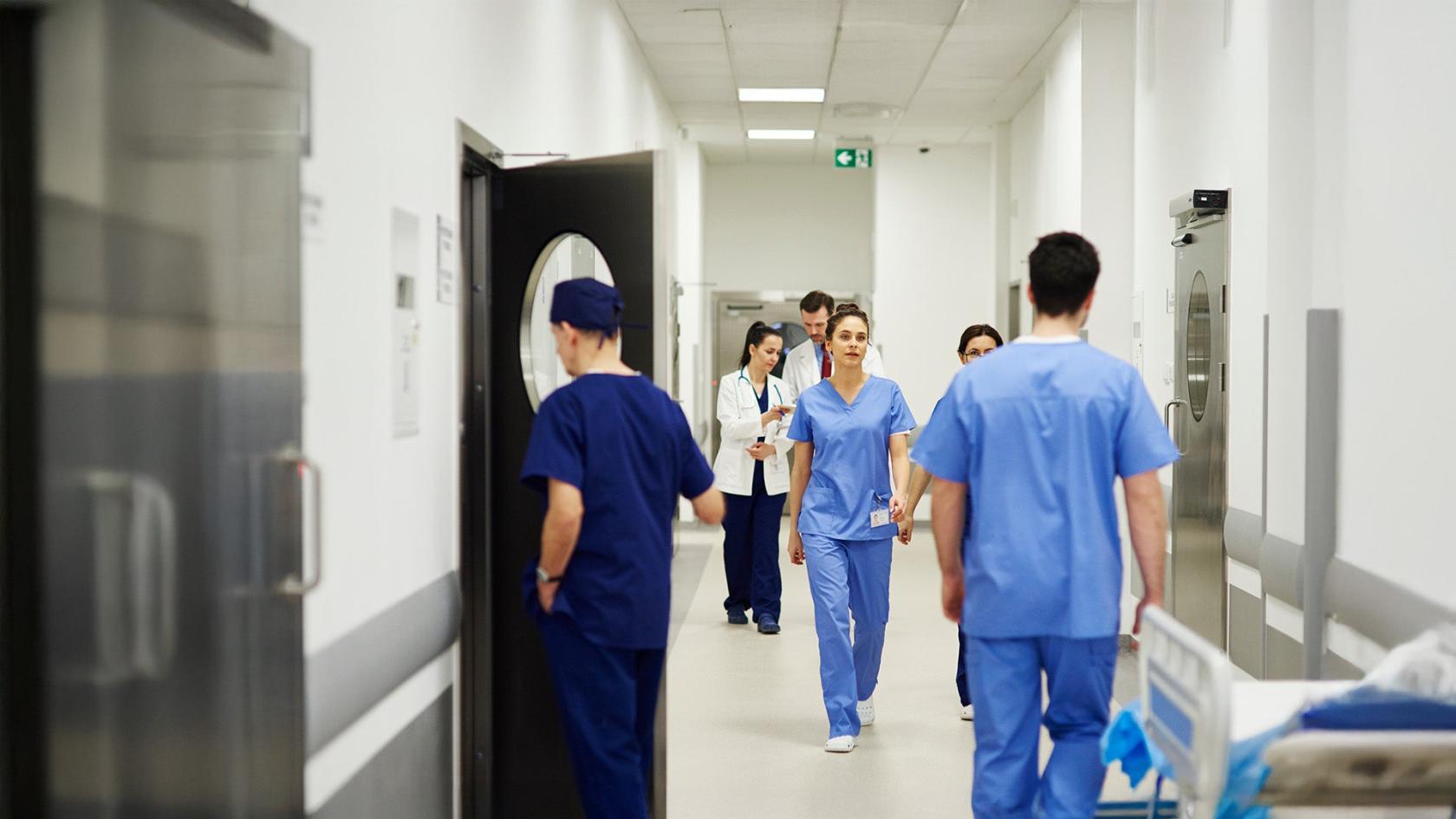
Prepares nurses to manage complex patients expertly in high-acuity environments with advanced clinical knowledge and critical thinking skills.
Rural nursing settings
Rural healthcare provides unique challenges for nurses, where resourcefulness, resilience and adopting a critical thinking framework are essential to patient care.
Nurses in these environments may be nurse practitioners, remote area nurses and other specialised nurses who manage a broad range of health conditions, often without the direct support of larger healthcare teams and services.
If you want to pursue a rural healthcare role, you need the confidence and competence to make good clinical judgements and the ability to adapt to the health needs of your local community. You’ll also need specific skills to provide nursing care to diverse patient populations, including Aboriginal and Torres Strait Islander peoples.
The Graduate Certificate in Nursing (Rural and Remote Nursing) at Charles Sturt University delivers advanced skills to support your role as a rural nurse. This course can be completed online in six months when undertaken full-time or eight months at a part-time study load.
You’ll complete units that develop skills specifically relevant to rural nursing, such as Advancing Emergency Care Nursing Practice and Strengthening Primary Health Care with Rural Communities. Upon completion of this graduate certificate, you’ll gain robust critical thinking skills to prioritise and manage patients in geographically isolated regions, including Aboriginal and Torres Strait Islander community members. You’ll also gain valuable expertise to pursue nurse leadership roles with greater autonomy in rural settings.

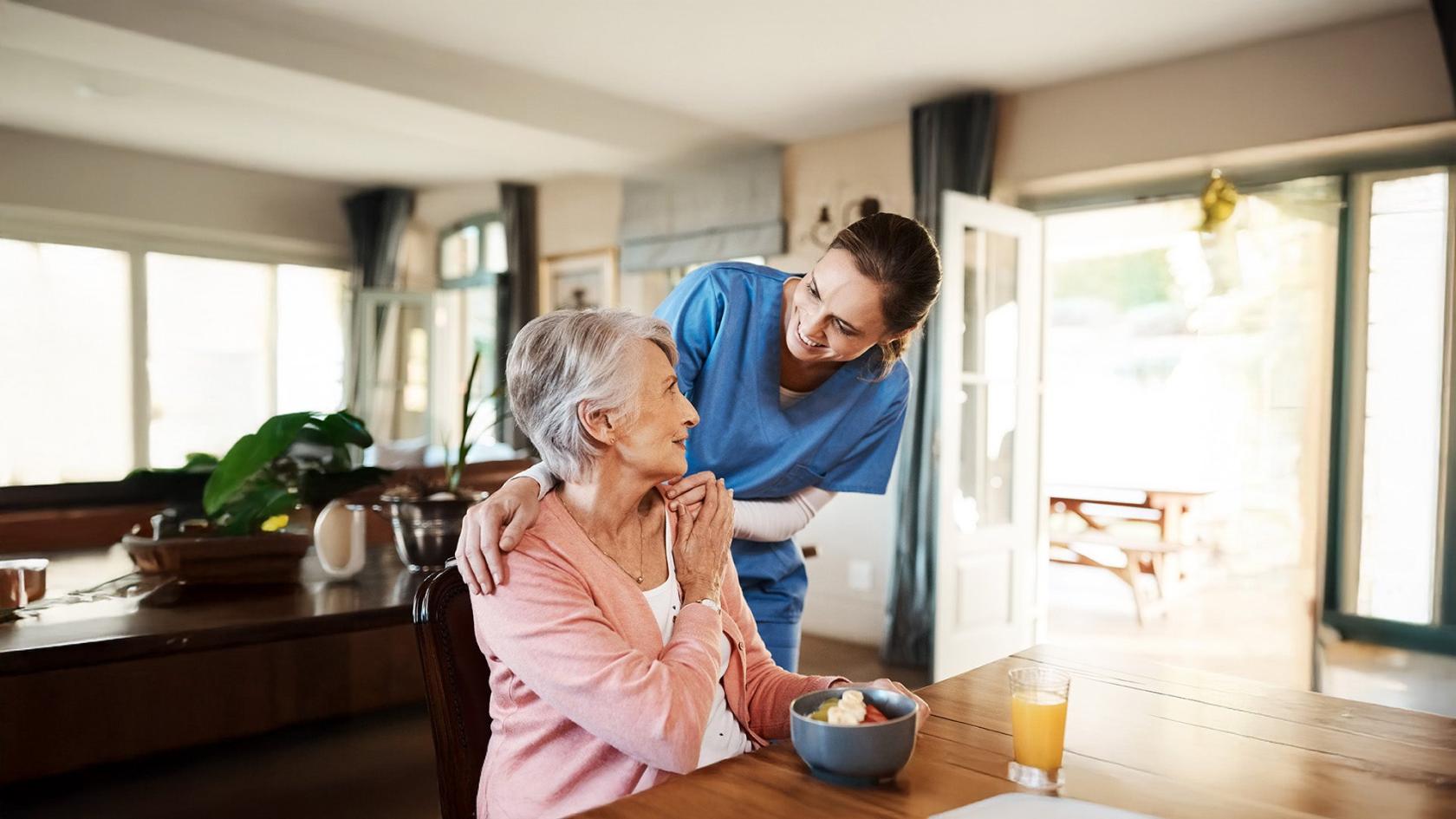
Enhance your ability to practice advanced nursing safely and effectively, catering to the complex healthcare needs of individuals in rural and remote communities.
Perioperative nursing settings
In perioperative settings, critical thinking enables nurses to anticipate patient needs, identify potential risks and respond effectively throughout the pre-operative, intra-operative and post-operative phases of care.
Nurses in these roles include perioperative nurses, circulating nurses, instrument nurses and PACU nurses, who are highly technically proficient while also possessing a range of soft skills. Depending on the role, nurses in this field must assess patient conditions, maintain a safe surgical environment and make informed decisions to prevent complications. Perioperative nurses need to be dedicated to advocating for patients, protecting their safety and supporting them as they undergo and recover from surgery.
If you’re interested in pursuing a perioperative nursing role, the Graduate Certificate in Health (Peri-Operative Nursing) at Federation University can equip you with the skills and knowledge to work in a variety of surgical roles across hospitals and healthcare facilities.
This six-month full-time (or equivalent part-time) course is delivered online for a flexible way to advance your career. Perioperative-specific units include Principles of Care for the Perioperative Patient and Perioperative Nursing Practice. You’ll develop effective critical thinking skills that allow you to foster safe patient environments, coordinate with surgical teams and communicate with patients and their families about post-operative recovery.


Developing a diverse skill set enables you to compassionately address the needs of patients and their families in the fast-paced, high-tech operating room environment.
Community health nursing settings
Community health nurses provide care to patients beyond hospitals, working in settings like mobile health clinics, schools, community health centres and providing in-home care. Their role blends clinical nursing, health education and care coordination with other health professionals.
These nurses commonly work autonomously and provide care to a range of patient types. Community nurses can care for children, families, older adults and people with disabilities. Due to the broad demands of their role, community nurses must be able to think critically about each patient’s unique health needs.
They may help patients with managing chronic disease, provide wound care, administer immunisations or support patients at home following a recent hospital visit.
Community nurses need to identify and assess changes in a patient’s health status, make timely clinical decisions and determine when escalation or referral to other healthcare professionals may be required. Community nurses play a vital role in promoting health, preventing illness and providing personalised care that supports long-term wellbeing and independence.
If you want additional skills to be successful in a community nursing role, the Graduate Certificate in Community and Primary Health Care Nursing at the Australian College of Nursing could be suitable for you.
This course is aimed at registered nurses working in community health, general practice and primary health care. It can be completed online over 12 months part-time.
You will complete two core units to build advanced practice and chronic disease management skills. You can also tailor your studies by choosing from a range of elective units that cover health areas such as alcohol and other drugs, wound management and immunisations, as examples.
This course suits nurses interested in a holistic approach where they can empower patients to engage in their health and recovery journey outside of hospital environments.
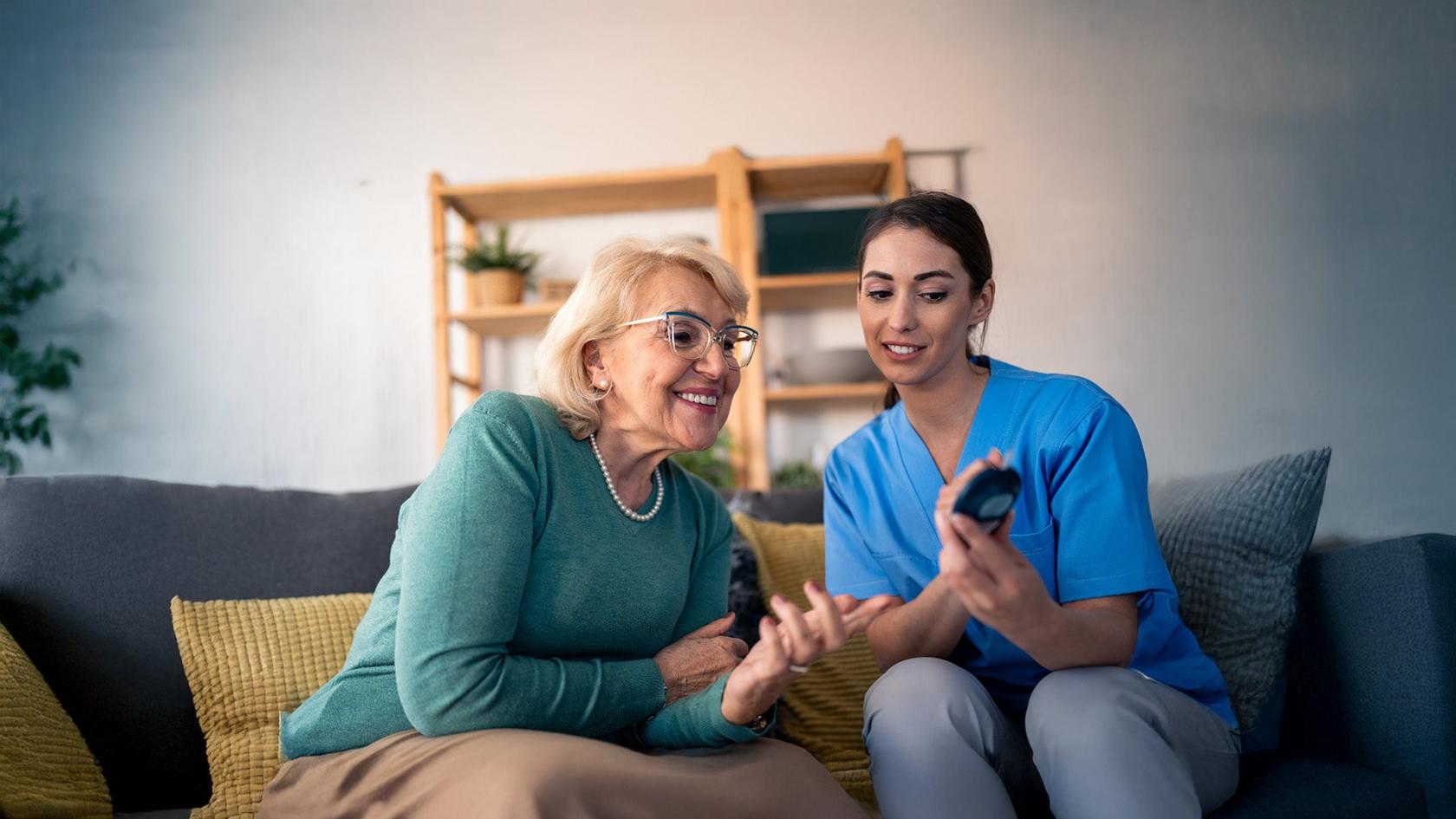
Designed to foster leadership in the profession and positively affect keeping people healthy, providing proactive care and health promotion to keep people well.
Clinical reasoning vs critical thinking: what are the differences?
While healthcare professionals may use these terms interchangeably, critical thinking and clinical reasoning are not the same thing.
In basic terms, critical thinking is more conceptually broad and is the analytical approach to how an individual thinks. As mentioned, it’s the general process of analysing, evaluating and interpreting information to find a solution or make a decision. Critical thinking is applicable to many different contexts and situations.
Critical thinking is developed through formal education, self-reflection and proactive problem-solving.
Meanwhile, clinical reasoning is the application of critical thinking to patient care. It is dependent on a specific patient scenario and is uniquely applicable to healthcare. Clinical reasoning involves assessing patient information, recognising clinical signs and symptoms, interpreting the available data, prioritising problems, making a plan and implementing appropriate care.
Clinical reasoning is developed through professional experience, peer and patient feedback, supervision and reflective practice.
What traits help nurses become stronger critical thinkers?
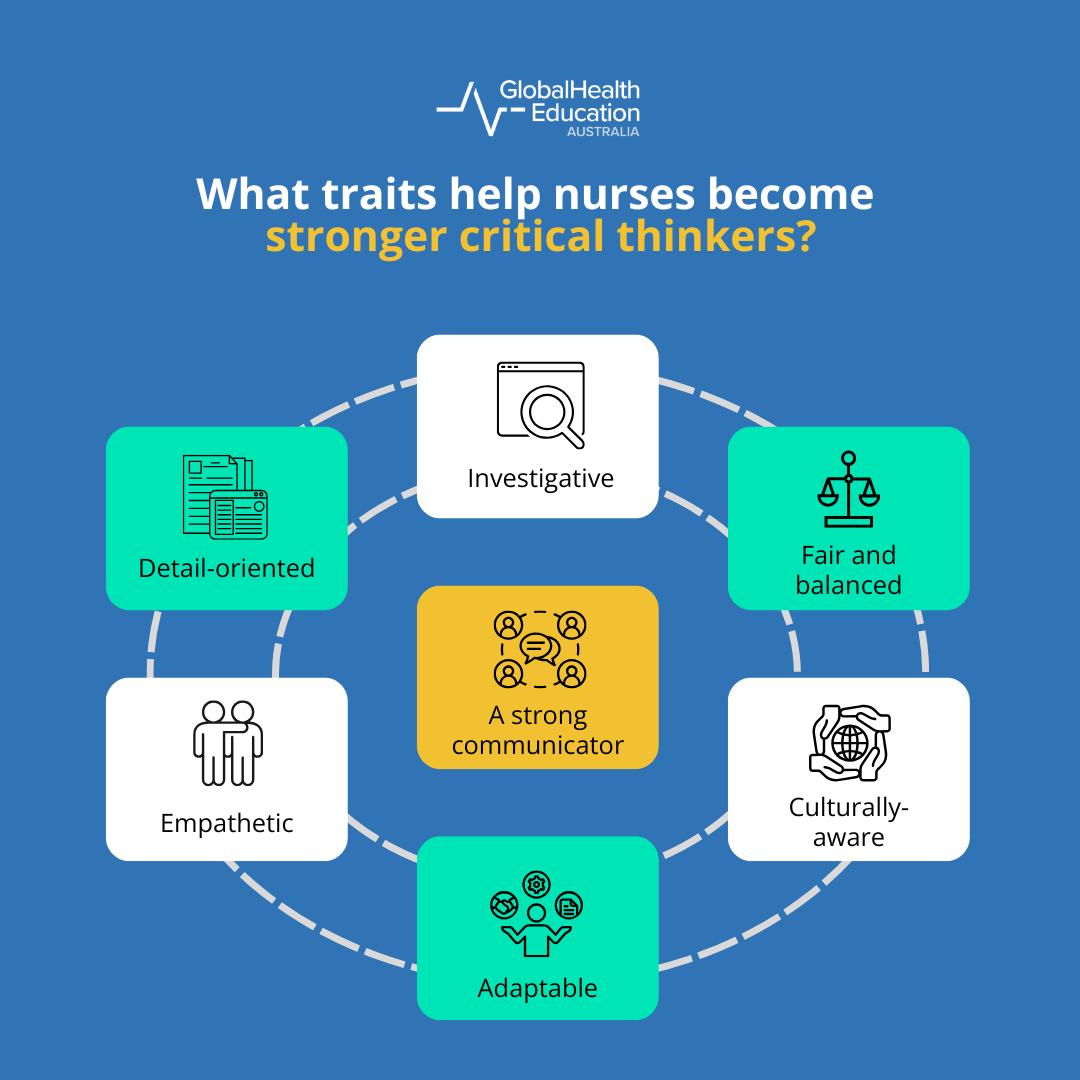
If you want to ensure your critical thinking skills are more effective, strengthening other soft skills can help. These may include being:
Detail-oriented: As a nurse, an important quality to possess that supports strong critical thinking is being detail-oriented. It’s essential to be thorough, as every decision you make has a consequence on patient care. Paying close attention to minor details helps you identify subtle changes in a patient's condition, recognise potential risks and avoid clinical errors, such as medication administration, documentation and treatment planning.
Investigative: A critical-thinking nurse is curious and willing to ask questions. If you adopt an inquisitive mindset and seek to investigate further when something doesn't seem right, you can continue to strengthen your critical thinking skills and develop stronger clinical judgement. Rather than accepting information at face value, being investigative allows you to better understand a patient’s condition and approach complex situations with greater confidence.
Fair and balanced: Remaining objective and making sure that your personal views don't affect your evaluations is another important attribute for the critical-thinking nurse. A balanced approach allows you to assess the evidence impartially, consider multiple perspectives, weigh up potential outcomes and make good clinical decisions.
A strong communicator: Effective communication ensures that important information is shared accurately, whether it’s with patients, fellow nursing staff or to other professionals involved in multidisciplinary care. Communication also supports critical thinking by encouraging nurses to articulate their reasoning, ask clarifying questions and collaborate with others to evaluate the best course of action.
Empathetic: Being compassionate, applying a trauma-informed approach and understanding your patients’ unique experiences can help you understand some of the broader factors that affect health and wellbeing. Empathy is relevant to the nursing critical thinking process, as it ensures you keep the patient at the centre of your assessment and treatment approach.
Culturally aware: Developing a well-rounded critical thinking process encompasses being culturally competent as a nurse. This helps ensure you can effectively educate and collaborate with patients from diverse cultural backgrounds, while respecting their beliefs, values and preferences for care.
Adaptable: Modern healthcare environments are dynamic and patient conditions can quickly change. As a result, nurses need to be adaptable and capable of responding effectively to new information, complications, shifting priorities or evolving patient needs. Adaptable nurses can reassess situations and modify their actions based on what they learn in the moment, allowing them to continue to deliver effective care.
Master your nursing practice through stronger critical thinking
Developing robust critical thinking skills empowers you to make better clinical decisions, which can enhance patient outcomes and support your overall nursing practice. Explore courses that build your ability to think critically by clicking on a course card above that interests you to find out more.
While critical thinking is relevant in nursing, it is also important across a wide range of healthcare and human services professions. GlobalHealth Education lists courses for professionals in counselling, mental health, psychology, social work, health leadership, public health and more. You’ll find courses that help build valuable skills, including critical thinking capabilities to strengthen your practice.
With so many options to choose from, deciding which course to enrol in can be difficult. Fortunately, Catriona, our Education and Careers Consultant, is here to help. Book a complimentary call with Catriona today to get expert career guidance and advice on courses that match your goals.